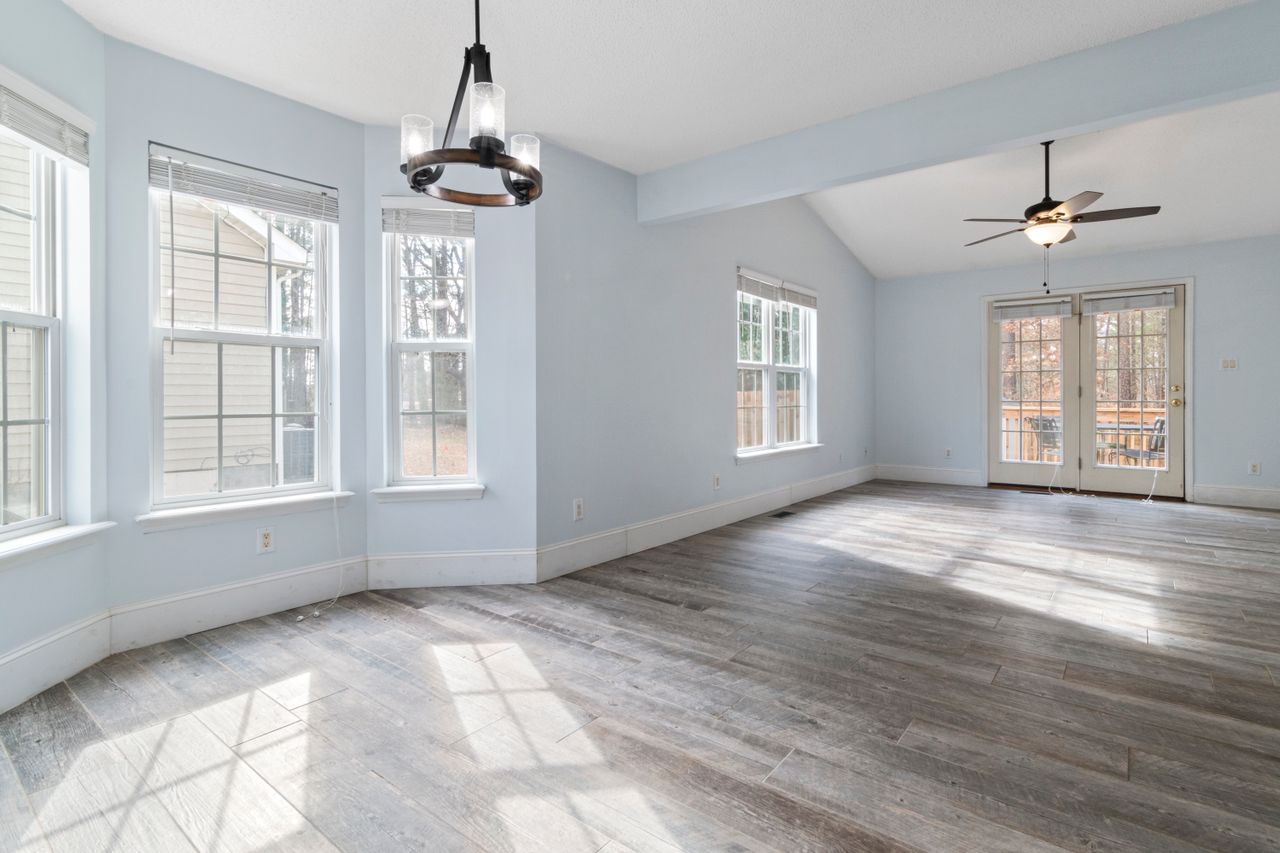
Georgia landlords have 30 days after you move out to return your security deposit or send you an itemized list of what they kept, under the state’s Security Deposit Act (O.C.G.A. §§ 44-7-30 to 44-7-37). Cleaning is one of the most common items on that list. Here’s what Georgia law lets a landlord charge for, and the move-out cleaning checklist that covers the areas most likely to trigger a deduction.
What Georgia Law Lets a Landlord Deduct From Your Security Deposit for Cleaning
The 30-day return deadline applies to every landlord in Georgia, regardless of how many units they own. Within that window, they have to give you an itemized list of any deductions and the dollar amount for each one. Georgia law doesn’t require them to attach receipts to that list, only the itemization itself.
What they can’t do is charge you for normal wear and tear: faded paint, worn carpet in a high-traffic hallway, a loose cabinet handle, minor scuffs from years of living there. What they can charge for is cleaning or repair tied to dirt, damage, or mess beyond that ordinary use. If a landlord withholds a deposit in bad faith, meaning without a valid reason or without sending the required itemization, Georgia law allows the tenant to recover up to three times the amount wrongfully withheld, plus attorney fees.
Normal Wear and Tear vs. What Costs You Money
The line between the two categories is where most deposit disputes start. This is roughly how it breaks down.
| Area | Normal Wear (Not Chargeable) | Likely Deduction Risk |
|---|---|---|
| Carpet | Worn traffic paths, minor fading | Pet stains, embedded dirt, odor that requires professional treatment |
| Kitchen | Small scratches on countertops, dulled cabinet finish | Grease buildup inside the oven, food residue in the fridge, sticky cabinet interiors |
| Bathroom | Minor grout discoloration from age | Soap scum and mildew buildup, hair-clogged drains, an uncleaned toilet |
| Walls | Nail holes from hanging pictures, faded paint | Crayon marks, grease splatter, unrepaired holes from shelving or TV mounts |
| Blinds and windows | Slightly bent slats from years of use | Dust buildup on blinds, tracks packed with dirt and debris |
The Cleaning Checklist Landlords Inspect Most Closely
Property managers walking a rental after move-out tend to check the same handful of spots first, since they’re the ones tenants skip when they’re rushing to finish moving.
- Inside the oven, stovetop burners, and range hood filter
- Inside the refrigerator and freezer, including door seals
- Cabinet and drawer interiors, kitchen and bathroom alike
- Toilet, tub, shower tile, and grout lines
- Baseboards, door frames, and light switch plates
- Window tracks and blind slats
- Closet floors and shelving
- Vents and ceiling fan blades
For the full room-by-room breakdown, including living areas and what’s outside the scope of a standard move clean, see our move-in/move-out cleaning checklist.
Document the Handoff Before You Return the Keys
Walk through the empty home with your phone and record a short video, opening cabinets, drawers, and the oven and fridge doors as you go, with a date stamp visible. Compare it to whatever move-in condition notes or photos you took when you first signed the lease, if you have them. This is the evidence that backs you up if an itemized deduction shows up that doesn’t match what you left behind. Send the video or photos to your landlord or property manager the same day you hand over the keys, not weeks later.
When a Professional Move-Out Clean Is Worth Booking
A rushed DIY clean the night before you hand back the keys is where most of the deposit-risk items above get missed, since oven interiors and window tracks are the last thing anyone wants to tackle after a full day of moving boxes. Our Move In/Move Out Cleaning covers this exact scope: an empty home, power and water on, cleaned top to bottom before your final walkthrough. If you’re moving because you’re selling rather than renting, the standard your buyer expects at closing is different, covered in move-out clean vs. closing clean.
FAQ
How long does a landlord in Georgia have to return my security deposit?
30 days after you move out and the lease ends, under the Georgia Security Deposit Act. Within that window, they must return the deposit or send an itemized list of deductions.
Can my landlord charge me for cleaning if I already cleaned the apartment?
Only for dirt, damage, or mess beyond normal wear and tear. A landlord can’t deduct for the ordinary fading, scuffing, or wear that comes from living in a home, cleaned or not.
Do I need receipts to prove I cleaned before moving out?
Georgia law doesn’t require your landlord to provide receipts for their deductions, and it doesn’t require you to provide any either. What protects you is your own documentation: dated photos or video of the home’s condition when you left.
What happens if my landlord doesn’t return my deposit on time?
If they miss the 30-day deadline or withhold funds without a valid, itemized reason, Georgia law allows you to recover up to three times the amount wrongfully withheld, plus attorney fees.
Is a professional move-out clean worth it for a rental?
For most renters, yes, since the spots that cost deposit money (oven interiors, cabinet insides, window tracks) are the ones people run out of time or energy for on moving day.
Does Roswell Clean handle occupied homes for move-out cleans?
No. Our Move In/Move Out Cleaning requires the home to be empty, with power and water on, before the crew arrives.
Moving out of a rental in Roswell, Alpharetta, Johns Creek, Marietta, or Milton? Book your move-out clean online for an instant quote, or call or text 678-932-0755.


Stay Updated
We will send you info about our business